
Can You Plaster Over Wallpaper or Artex? What Can Go Wrong
By Carl Rice Plastering
Why the existing surface matters
A smooth skim finish depends on what sits underneath it. Plaster does not bond reliably to every surface, and wallpaper or textured coatings can create a weak layer between the new plaster and the wall. If that layer moves, absorbs moisture or comes away from the wall underneath, the new finish can fail with it.
That is why we do not treat every wall as a straightforward skim. Before recommending an approach, we look at whether the existing finish is sound, whether the wall behind it is stable and whether there are signs of damp, previous patching or movement. The correct preparation often matters more than the final coat.
For an overview of our approach to Internal Plastering, you can see the main stages and service details on our service page.
What can go wrong when plastering over wallpaper
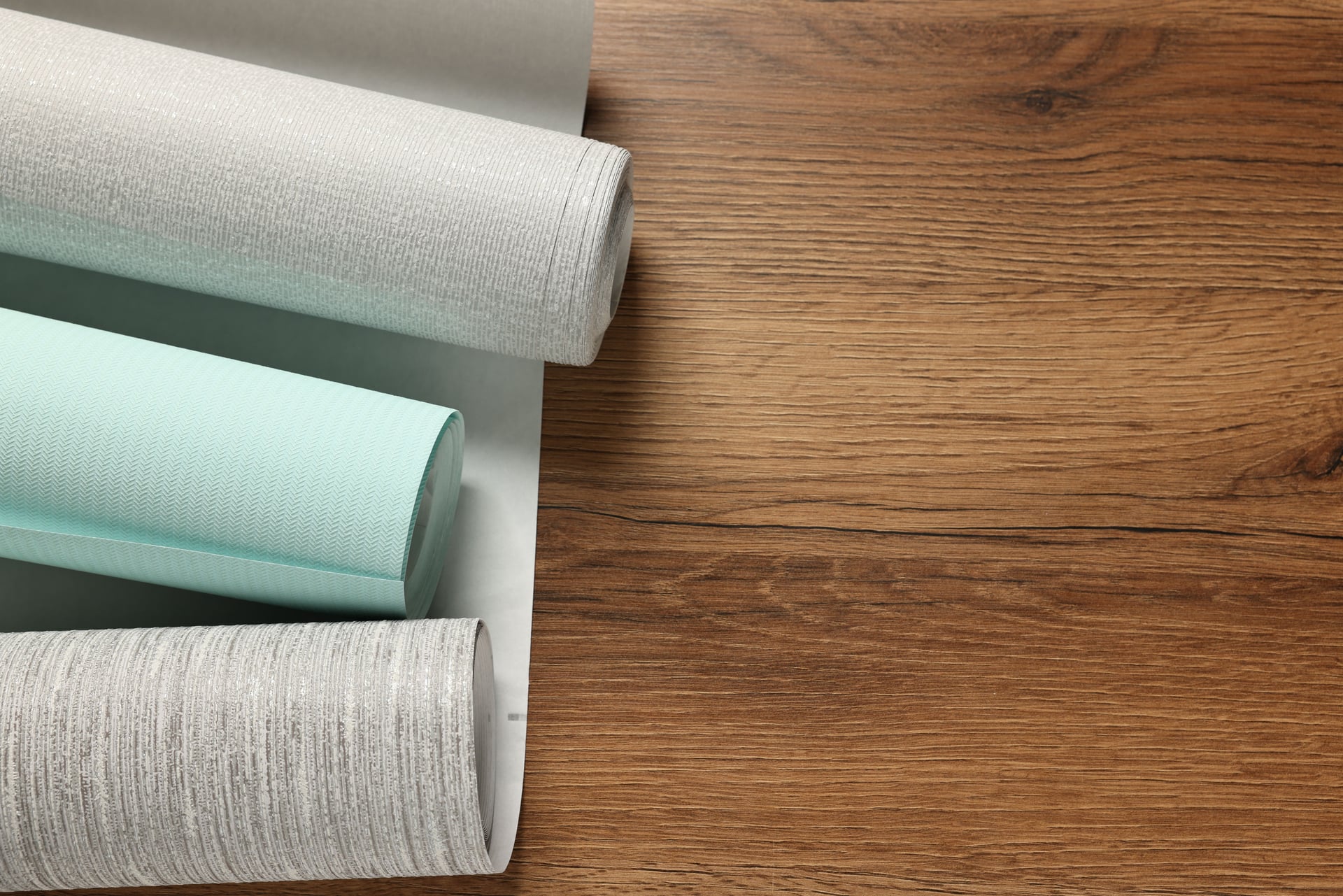
Wallpaper can appear firmly attached while still being unsuitable as a base. Small loose edges, bubbling, lifting seams or areas with a hollow sound can indicate that the paper is no longer bonded properly. Moisture from plastering can then soften the adhesive and make the paper swell or release.
The result may not be obvious immediately. A wall can look smooth as the plaster is applied, then develop blisters, hairline cracks or hollow patches as the surface dries. If the wallpaper separates beneath the skim, decorating over it only hides the problem temporarily. The paint may look sound at first, but the finish can later split or detach with the underlying layers.
Wallpaper can also conceal damage that needs attention before plastering. Previous leaks, damp staining, cracks in the wall and poorly filled channels for pipes or cables can all be missed if the paper is left in place. Covering those problems does not correct them. It can make future investigation more disruptive because the defect is buried under a new finish.
Why Artex needs more than a quick skim
Artex and similar textured coatings create a different problem. The texture affects how thickly the plaster must be applied, while the coating itself may have weak or inconsistent adhesion. High points can be vulnerable to knocks, and hollows can leave areas where the new plaster has less support.
Older textured coatings should be treated cautiously because appearance alone may not tell you what they contain. We would not advise sanding, scraping or aggressively disturbing an unidentified coating yourself. If there is any concern about what the material contains, the right course is to stop and arrange appropriate professional advice before work begins.
Even when the coating can be made secure, the preparation must suit its condition. Loose areas may need removing, sound sections may require a bonding treatment, and substantial texture may need a backing coat rather than relying on a thin skim to level everything. The aim is to create a stable surface that gives the plaster a good grip, not simply to cover the pattern.
The signs that covering is the wrong option
Look closely at the wall or ceiling before deciding how it should be treated. Warning signs include:
- Wallpaper that lifts at seams, corners or around sockets
- Blisters, soft patches or areas that sound hollow when lightly tapped
- Artex that is cracked, flaking or detached from the background
- Damp marks, staining or a persistent musty smell
- Cracks that continue through the existing finish
- Different surfaces patched together across the same wall
These signs do not automatically determine the repair, but they show that a direct skim may not be the sensible first step. The cause and condition of the background need to be understood before a new finish is applied.
What proper preparation achieves
When we prepare an internal wall, we work towards a surface that can support the new plaster throughout drying and everyday use. That may involve removing wallpaper, taking off loose textured material, securing damaged areas or applying a suitable backing coat. Where the background is uneven or absorbent, the preparation also helps control how the plaster behaves as it sets.
This is important because plaster is not just a cosmetic layer. It needs consistent support and adhesion across the wall. If one section dries or moves differently from the next, stress can show as cracking, hollow spots or visible changes in the finish. Good preparation reduces those risks and gives the skim a proper base to finish against.
The best option depends on the wall rather than the name of the old covering. One room may need stripping back, while another may be suitable for stabilisation and preparation. A ceiling, a previously damp wall and a sound textured surface should not automatically be treated in the same way.
Get the background checked before you decorate
If you are planning to cover wallpaper or Artex in a Plymouth, Callington or surrounding property, avoid judging the job by appearance alone. A fresh skim can only perform as well as the surface beneath it. We can assess the existing finish, identify preparation issues and explain the practical route before internal plastering starts.
If you are unsure whether your walls or ceilings are suitable for plastering, contact Carl Rice Plastering to discuss the work and request a clear quote based on the actual condition of the surfaces.


